Spot welding was handed to robots decades ago. So was painting, and fabrication. They are repeatable and therefore programmable tasks.
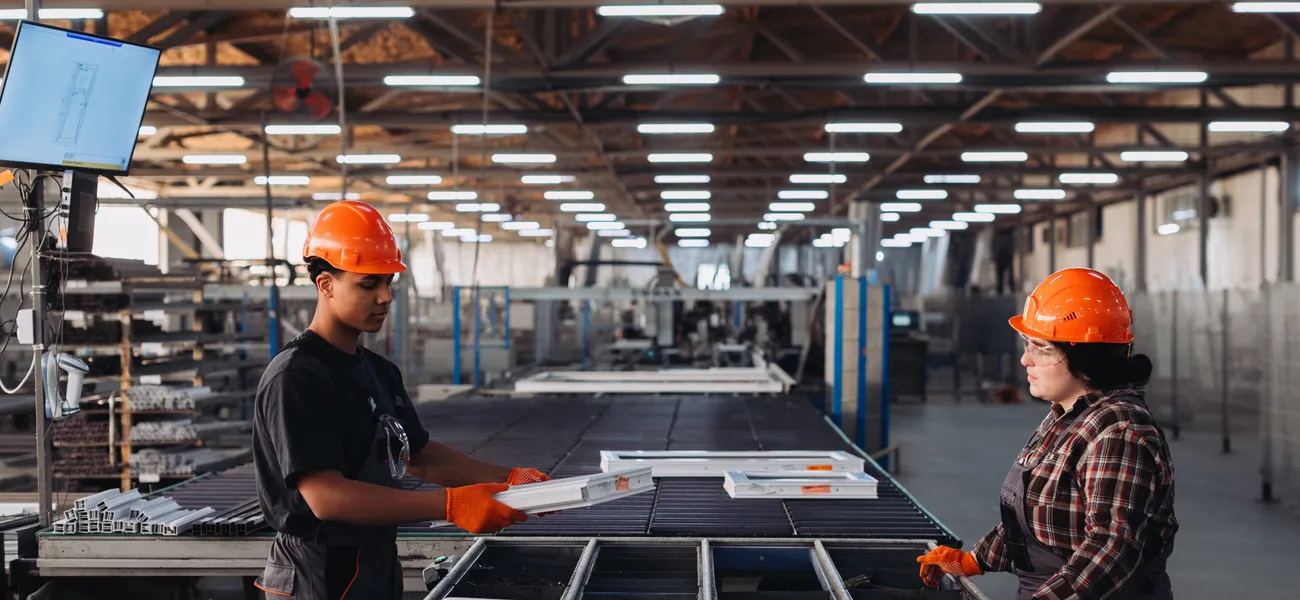
Some handling was automated too, but mainly where a plant runs one part at high volume: part sorting, case packing, palletising off a single line. Where the plant runs high mix, handling stayed manual, because a fixed program cannot account for the variety in actions.
What has changed is that grasp and perception are now learned from data rather than written as a path. The robot can cope with a part that arrives at an angle, a tote with mixed contents, a box that sits differently to the last one. The plant no longer has to engineer the variety out before automation becomes possible.
Three companies are worth watching if you want to judge the pace yourself. Figure AI put humanoids onto a BMW line, on part handling rather than in a demo cell. Agility Robotics has Digit moving totes in live logistics operations and was successfully piloted by Amazon. Tesla is building Optimus for its own factories, which should yield useful evidence on how humanoids actually perform over a shift.
Why replace manual handling with humanoid robots?
The first reason is safety. Handling, lifting and carrying cause 17% of all non-fatal injuries across British workplaces, second only to slips and trips. Of work-related musculoskeletal cases, 43% affect the back and a further 41% the upper limbs and neck. These are injuries that accumulate over years on the same station, and they are concentrated in tasks that are now becoming automatable.
The second is where you put the labour instead. An experienced operator on a handling station is spending their shift moving material. That same person could be applying what they know to problem solving, quality and changeover improvement.
The cost argument is less clear, but still favourable. A handling operative costs £35k a year (after NI, pensions, absences) on a single shift, or around £175k over five years. Humanoid makers are targeting unit prices in the tens of thousands, though nobody is buying at those numbers yet, and the unit price is only part of it once installation, training, maintenance and spares are added. Even so, there is real headroom, the open question is not price.
It is throughput, and there the answer is not yet. Cycle times in the published footage are slower than a competent operator on a fast line. The safety case for a free-roaming biped working alongside people is not settled in the UK, and the spares and support position is unproven. Manual handling will keep shrinking, but it is not disappearing in the next five years.
The gap is closing from both ends. The temptation is to wait until it has closed and then move, but a plant that has never integrated this kind of automation will spend its first year learning rather than gaining. The better approach is incremental: take the handling operations where the case is clear today, one station at a time, and build the integration and maintenance experience while the stakes are still low. For some operations that case is probably already there.
That means measuring a few things now: the operator hours going into each handling station, the rate a robot would have to match, how much the work varies part to part, and where the injuries come from. Usually the same handful of stations come up on every list.
Very few plants have that picture to hand. If you are trying to build one, or want to talk through what it would take, get in touch.